
From limited use to clinically actionable — and why context still matters
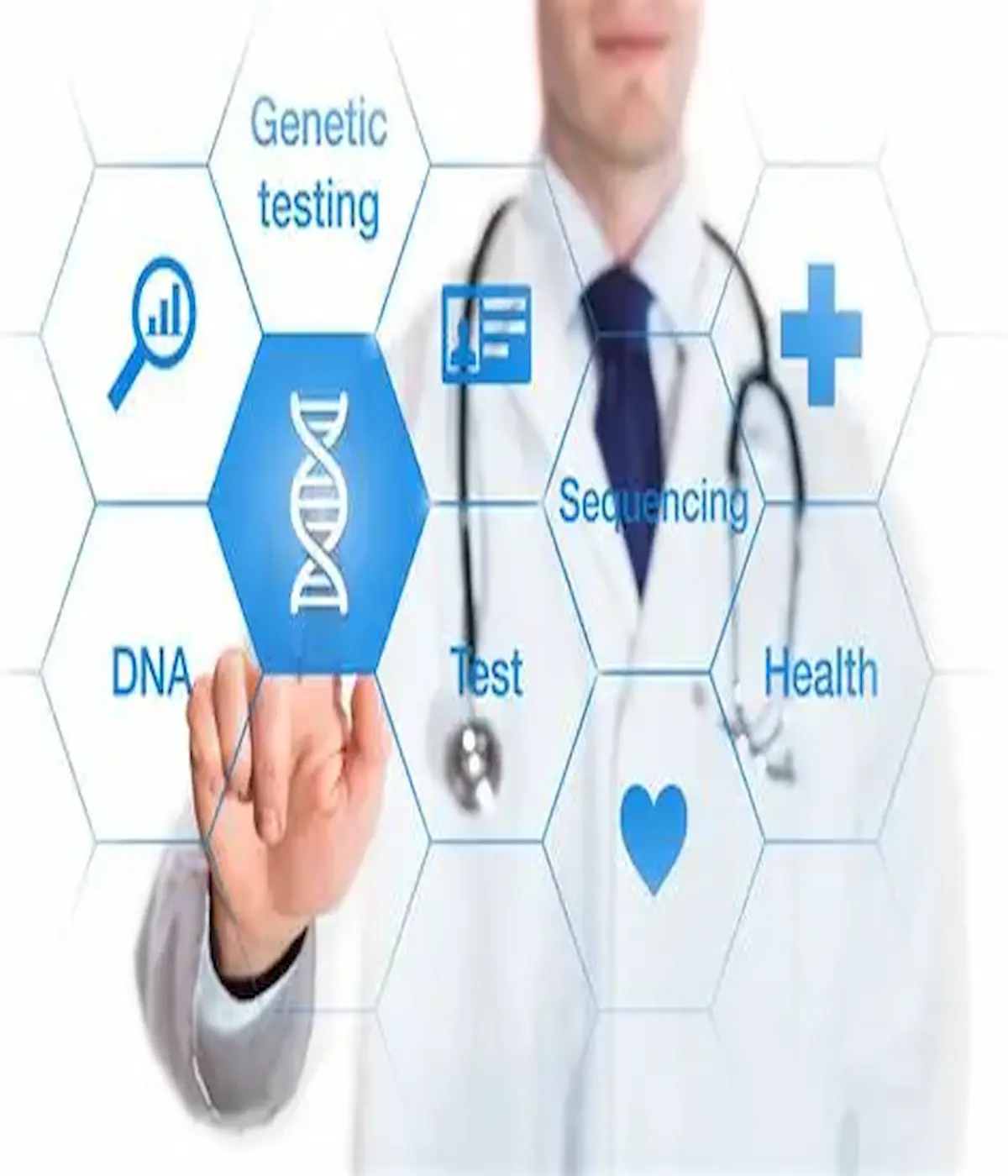
Genetic testing has reached a turning point.
For years, it was either difficult to access or produced results that were not clinically useful.
That has changed.
What is different now
We now have genetic tests that can meaningfully alter how we screen, prevent and manage disease.
These are not “wellness” tests — they are clinically actionable.
In the right context, genetic information can shift both risk assessment and long-term management.
Examples of clinically useful testing
Some genetic tests have clear implications for screening and prevention:
- BRCA — breast, ovarian, prostate and pancreatic cancer risk
- Lynch syndrome — colorectal and related cancers
- Familial hyperlipidaemia — early cardiovascular disease
These results can directly influence how early screening begins, how frequently it is performed, and what preventative strategies are considered.
Why the value is in what follows
The benefit of genetic testing is not simply in knowing.
It is in what happens next.
- Earlier and more appropriate screening
- Targeted prevention strategies
- Detection of disease at a more treatable stage
Without a clear plan, genetic information has limited value.
Where caution is required
Genetic testing is not something to apply broadly without thought.
Some tests require careful consideration because the result may not clearly change management.
APOE is one example. It can provide insight into Alzheimer’s risk, but may also create significant psychological burden without offering a clear preventative pathway.
For that reason, it is not included in routine screening and is only offered after a detailed discussion about the implications.
The role of clinical judgement
At Executive Medicine, the focus is not on ordering more tests.
It is on choosing the right tests, interpreting them in context, and building a clear plan from the result.
If you are considering genetic testing, it is worth assessing whether the result will meaningfully influence your management.
You can explore this further through our Foresight health assessment.